
Balance of Water

Emotions change us. Just as water shapes the geography of the Earth, emotions shape the geography within us. Some emotions break the great stones inside us and create beaches, some carve valleys deep within, uncontrolled emotions flood like torrents and wash away all fertile soil—yet sometimes they also bring life to unexpected places. Water transforms entire climates: the air over vast steppes is entirely different from the air by the sea.
Throughout history, every civilization has been founded by water.
The relationship you establish with water defines who you are.
Water is safe in its essence. By its nature it has no sharp edges, it does not wound, it is not acidic, not corrosive. Yet to underestimate it because of this gentleness would be the gravest mistake.
Element of Water, like the other elements, demands attention. First of all, one must be aware of its quantity. Its absence creates drought and makes life impossible; its excess leads to an overwhelming estrangement that cannot be grasped.
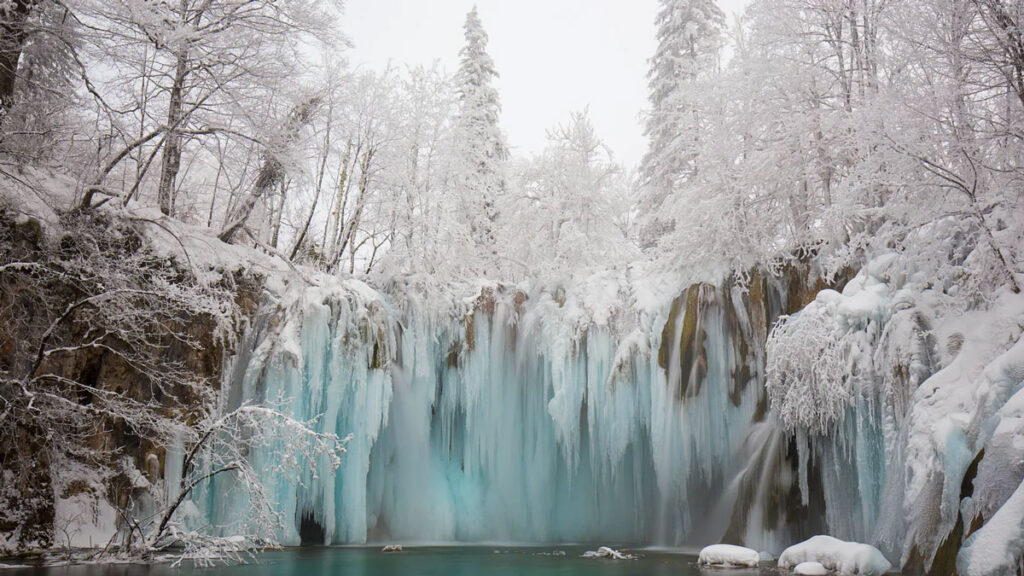
When its temperature changes, its form changes too; its behavior and its responses become different. Each form must be recognized, approached accordingly, and its transformations anticipated. For when water changes form, its content changes as well.
Emotions too change their form, and when they do, their content shifts. Frozen and thawed water is no longer the same as it once was; the same is true for vapor that condenses back into liquid. This transformation may sometimes alter its taste, cause it to lose its nourishing minerals, or—at other times—purify it, stripping away its impurities.
One must approach each state of water with the right methods and tools; otherwise, it burns or freezes. For this reason, emotions must not be handled roughly. Forcing meditation upon someone carrying frozen emotions within is like grasping ice with bare hands. Misguiding a person struggling with anger may lead to emotional scalding.
Water must be allowed to move; water that is stilled will rot. Yet uncontrolled movement can be destructive—it must be balanced in due measure.
It is equally important to recognize the content of water and to use it in the right contexts. The purest water is not always the best. There are places where pure water is vital, but if water were always pure, we would be deprived of the minerals we need, and it could not nourish us. On the other hand, an excess of these minerals also brings danger. Even seawater—whose salt content is only about 3%—harms us if we drink too much of it.
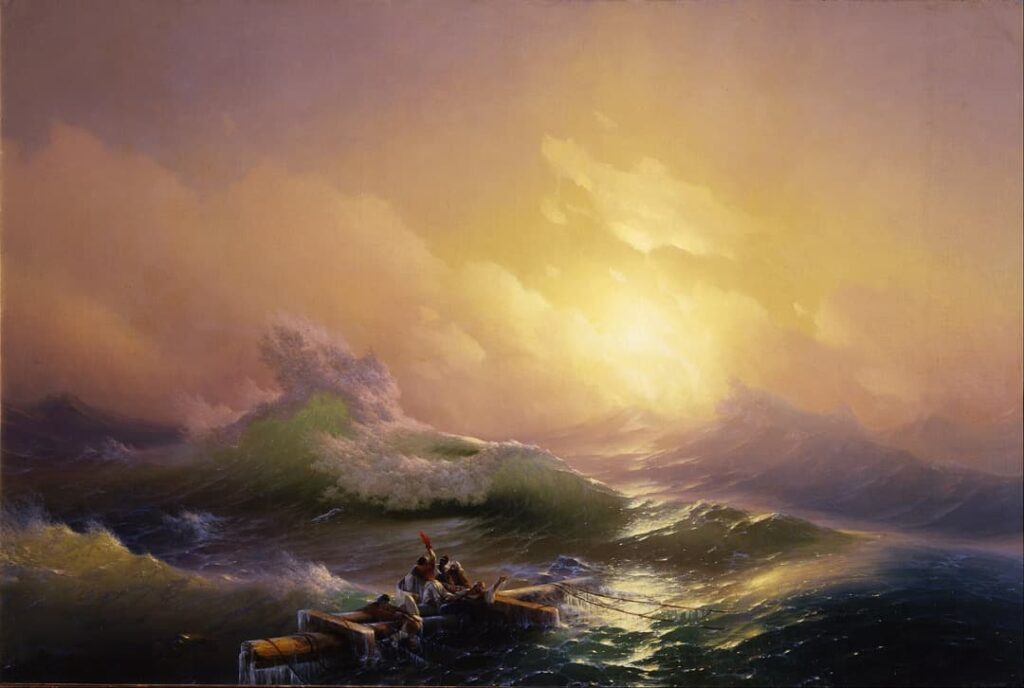
The word “boundary” sometimes carries negative connotations—when it divides people or blocks the freedom to explore, this may be true. Yet for growth, boundaries are vital. Without boundaries, there would be no rivers, no lakes. Without boundaries, soil itself could not hold together. Without the boundary of gravity and atmosphere to hold it, water would scatter into the cosmos. A boundary is one of the fundamental conditions of formation. It defines where something begins and where it ends.
Water must be bounded, but rightly so—guided in the correct direction. In early times, people shaped earthen vessels carefully so they could hold water better. The choice of clay and the way it was prepared with fire determined whether the vessel could sustain its relationship with water.
One of the greatest mistakes in any construction is to try to block water directly. The fact that houses built by inexperienced contractors always seem to leak, while centuries-old architectural masterpieces remain dry, is no coincidence.

If you try to resist water harshly, you will fail. No matter how many layers of membrane you place, water will seep through that roof, it will find its way. If you design it wrongly, the barrier you build before a stream will collapse; the dam you raise over a river will break.
The proper balance must be found. At times you must know how to stop and store it, and at other times how to channel and release it.