
Element of Earth
Earth is perhaps the element we struggle the most to define.
Because once translation enters the picture, meanings start to shift. The Greek root γῆ gê resembles earth in English, but extends further — to land, ground, even world. In Turkish too, “toprak” carries many different uses.
So defining it means choosing one meaning over others.
But once symbolism comes into play, the rules change. Suddenly all the meanings can be used at once — and even enrich the symbol itself.
Let’s begin by wandering among these meanings:
Earth. Both the ground beneath our feet and the planet itself.
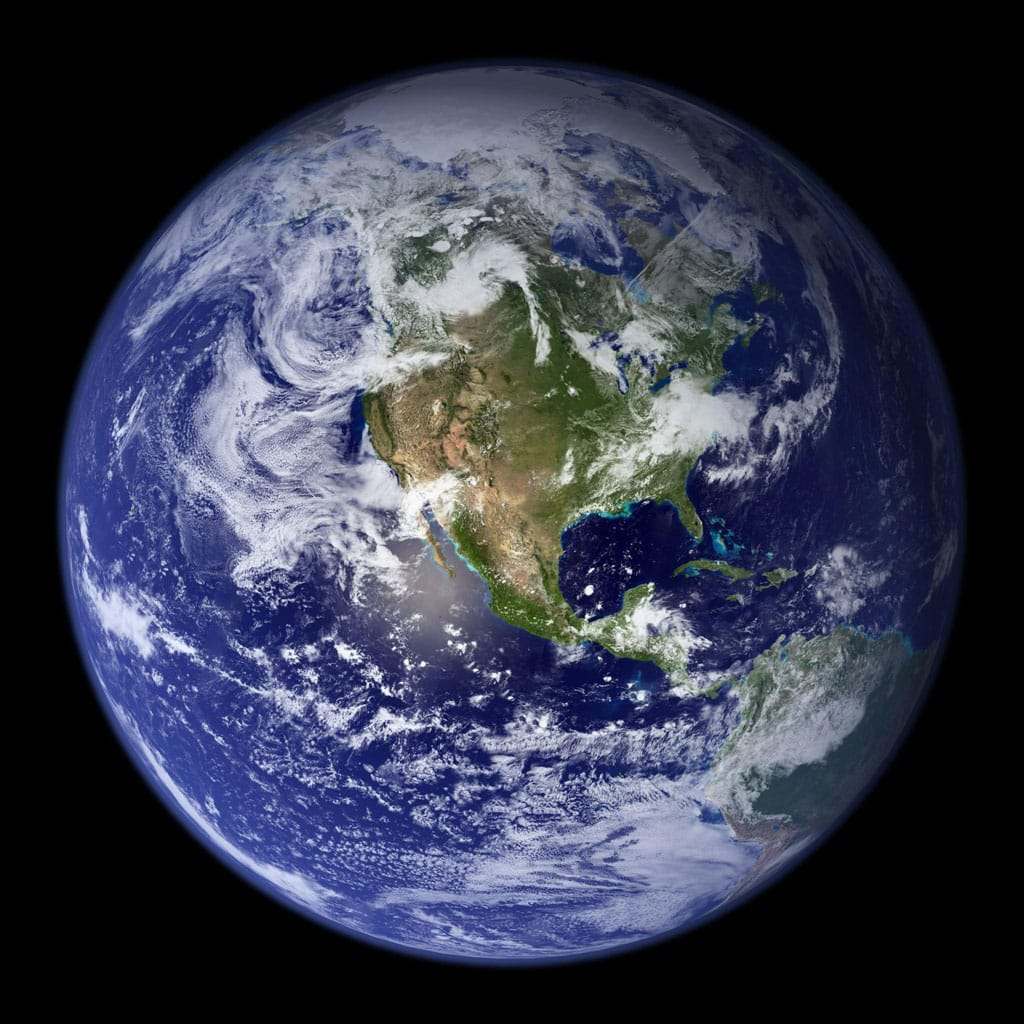
Right now, in the vastness of the cosmos, our planet is the rare home that makes life possible and allows it to flourish.
Our planet not only provides us with a perfectly balanced space for life — it also quite literally makes sure our feet are on the ground. How? Like all bodies, Earth has mass, and with that mass, it attracts other bodies. (In fact, we too pull the Earth toward us, but since our mass is so tiny, the effect is negligible.)
And so, we become creatures with weight.
This is the first concept held within the Earth element.
As we said, weight is determined by the pull of Earth’s gravity on our mass. That’s why, when calculating weight, we use a fixed value:
Weight (F) = Mass (m) × Gravitational Acceleration (g = 9.8 m/s²).
Which means, our weight is determined by Earth. On the Moon, or Mars, or anywhere else but here, our mass would stay the same — but our weight would change.
Before going too far, let’s move to another meaning: Ground.
Yes, the surface we stand on — but also a region, a terrain. A surface that carries boundaries. It’s less about barriers, more about where something begins and where it ends.
The second concept of Earth: Boundary.
And finally, World.
Not only “the place where we live,” but also the system we live within. To build a system is to create repetition, order, and rhythm. To give shape, to form life.
Thus comes the third concept: Form.
Having found our three concepts, let us stay faithful to our method and explore their counterparts in our lives.
Our Earth
1. Weight
Earth gives us our weight.
Notice: we also use the word “world” when talking about our inner world. This is no coincidence. Just as our physical weight is determined by the pull of the planet we inhabit, so too is the “weight” of our being shaped by the world we build — both the outer life we live and the inner world we create.
The sense of reality you hold, the responsibilities you assume, the belonging you feel — all of these are your weight.
Just as Earth does not assign weight arbitrarily but in proportion to mass, so too is our inner weight determined by the depth of our belonging.
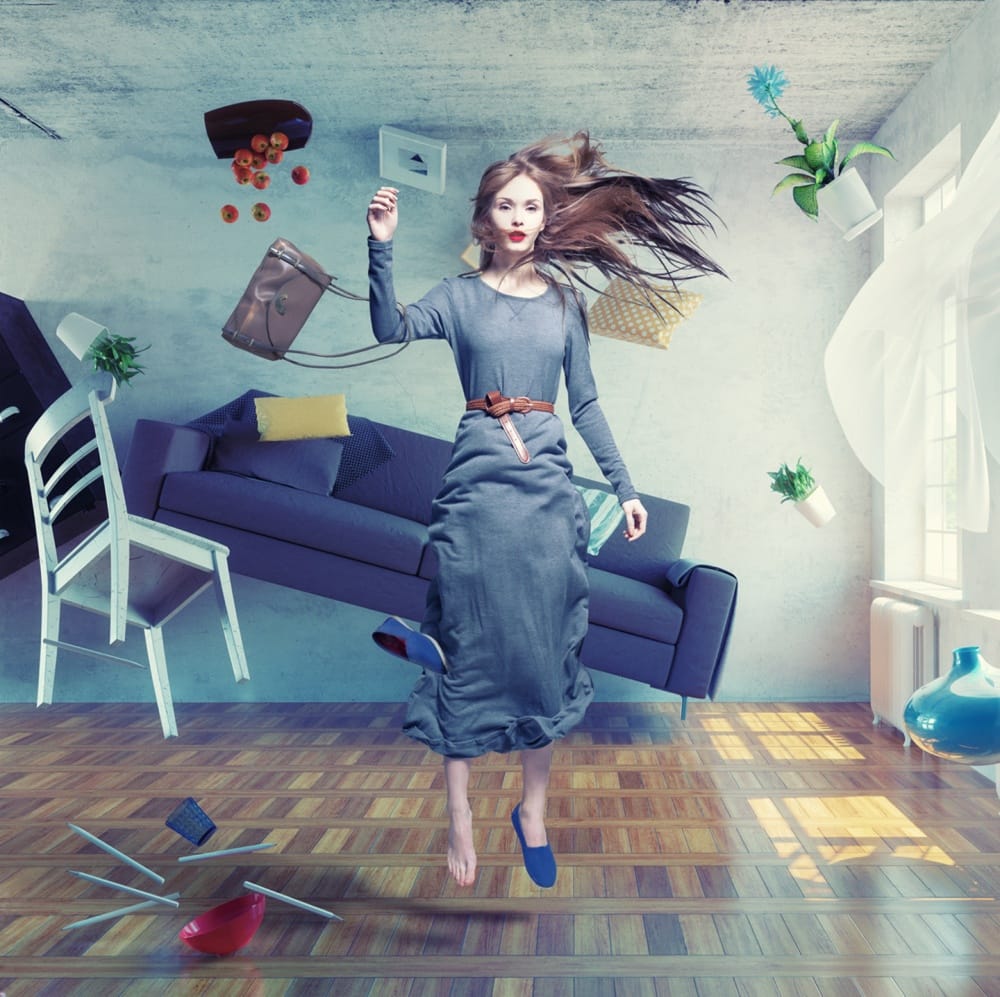
When weight diminishes, we drift. We cannot hold on to anything. Weight gives us direction. Without gravity, there would be no up or down. Maybe you’ve seen videos of astronauts floating in zero gravity: at first it seems fun, but after a while, it becomes torment. You can’t shower. A movement, once begun, won’t stop by itself. You can’t even sleep without strapping yourself down. Worst of all, the muscles deteriorate — because what keeps our muscles strong is precisely the struggle against gravity.
What about the opposite? When the gravitational pull of the world we have built grows too strong, our weight increases to the point where the ground cannot carry us. We sink. The responsibilities we’ve taken on begin to crush us. A strong sense of belonging may seem harmless, but if it becomes too heavy, it literally weighs us down until we can no longer move.
2. Boundary
Earth is boundary.
Not artificial barriers — but the natural lines of where things begin and where they end. You are here, not everywhere. You are finite. Where you end, something else begins.
But what if, while your contents stay the same, you try to expand the space you occupy?
Your density decreases, and you begin to scatter. Your edges blur, your boundaries with others blur. What is yours and what belongs to others becomes indistinguishable. Your defenses weaken, and what you don’t want may start seeping into you.
The opposite? If your contents remain the same but the space you occupy shrinks, you solidify. You grow rigid and immovable. Your boundaries become so tight that no one, nothing can touch you. Even the things you want to let in cannot reach you.

Boundaries also shape productivity.
Fertile soil is porous — it gives of itself and yet receives from outside. Loose enough to breathe, bound enough not to scatter.
Barren soil closes itself off: it takes nothing in, gives nothing out. Either unreachable, or fractured and dispersed.
3. Form
In human history, the decision to give shape to earth was a turning point. It marked the passage from hunter-gatherer to agrarian, from nomadic to settled life. To feed and shelter ourselves, we had to shape the soil. Looking back, we see this was reciprocal: as humans tamed earth, earth tamed humans.
To reap from the land, you must make it fertile. Soil does not always present itself at its best.
To give form is a deliberate act. It requires discipline, continuity, and repetition. It is not a one-time gesture — it is the building of systems and routines.
Leave the earth unshaped, and chaos reigns. It dries out. It wildens. It becomes defenseless against the forces of nature. Floods sweep it away, winds scatter it, disease settles in, or it suffocates from lack of air. Eventually, it ceases to be yours. Your sense of belonging diminishes. If the earth rots, so do your roots. You lose your hold.
But what if you over-focus on form? Then you sink into the soil itself. Routine swallows your life. The tasks needed to maintain the perfect form multiply until nothing else has room. Obligations leave no time to pause or reflect. Creativity dries up. As you build more, your anxieties grow: more to maintain, more to protect. You grow conservative, and discipline itself becomes the purpose of life. The more you cling to form, the more you isolate your soil from water and air. Control becomes your obsession. The soil hardens. You harden. And the form you tried to create becomes your prison.
Earth is not just the surface we walk upon.
It is the ground we belong to, the medium that shapes us, the lines that define us.
When Earth is missing in us, life becomes fragmented. We cannot hold responsibilities, draw boundaries, or take form.
When Earth is in excess, it weighs us down. We cling too tightly, settle too deeply. We stop moving. We stop changing.
That longing we always carry — “a place to belong” —
that is, in truth, the Earth within us.
And the softer, more porous, more carrying that soil is…
the deeper we can root in it.
What We Can Do for a Balanced Earth Element