
The Players and Homo Ludens
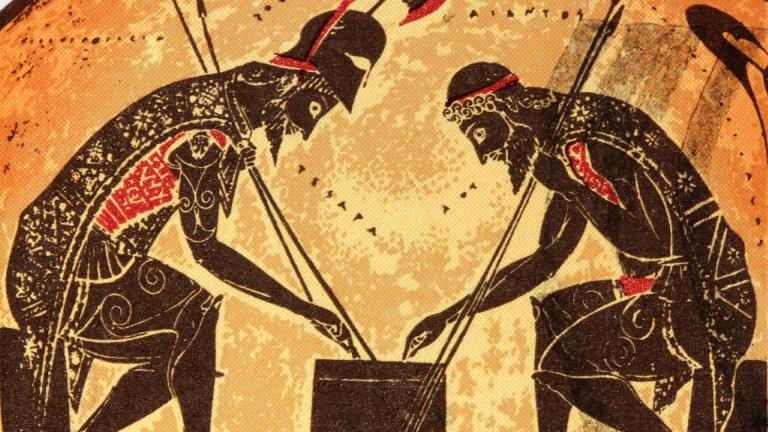
Play, of course, did not wait for humans in order to exist in the world. Animals also play—in fact, historically it was animals who played first. If you look back at our definition of play, and if you happen to see a cat batting around a ball of yarn nearby, you’ll notice that it fulfills all the requirements of the definition with ease.
The playing human emerged in interaction with many of the social behaviors we mentioned earlier. Alongside powerful determinants such as rituals, ceremonies, acts of worship, and war, there was also a deep inner need: the desire to step away from daily life, even if only for a while.

So, who is the player?
The player is the one who participates in the game. The one who freely accepts its rules. The one who exists within the time-frame and the space set by the game. The one who strives to fulfill the game’s unique purpose. The one who feels tension in that effort, and who finds joy upon achieving it. That is the definition; but of course, there is not just one type of player. As behaviors diversify, differences emerge. Sometimes these differences require new terms to describe special roles within the community of players:
The first distinct type is the Idlers. Idlers exist within the universe of the game, and they do not contradict its definition; they simply lack much enthusiasm for the goal. Yet if they abandon the goal entirely, the game ends. Their motivation is low; their belief in the game’s purpose or in the world it creates is weak. They struggle to be fully present in time and space. This divided state causes their minds to drift frequently back to everyday life. They grow alienated from the very rules they accepted at the start; they do not carry the tension the game requires, nor do they find joy in being within it.

The second type is the Cheaters. Cheaters begin the game in line with its definition, but along the way they slip outside of it. Unlike the Idlers, they are fixated on the goal. To reach it, they see no problem in stepping beyond the agreed-upon rules. They will even step outside the time and space of the game in order to bypass those rules. This behavior can grow into an attitude of seeing themselves as above the rules altogether. The tension extends beyond the game world into daily life, and their pursuit of happiness is tied not to the game itself, but solely to its goal.

The third type is the Spoilsports. The spoilsport, in truth, has never been in the game at all. They never accepted its rules, they never believed in the game-world; they are present only for their own benefit, disregarding everything else in pursuit of their personal aim.
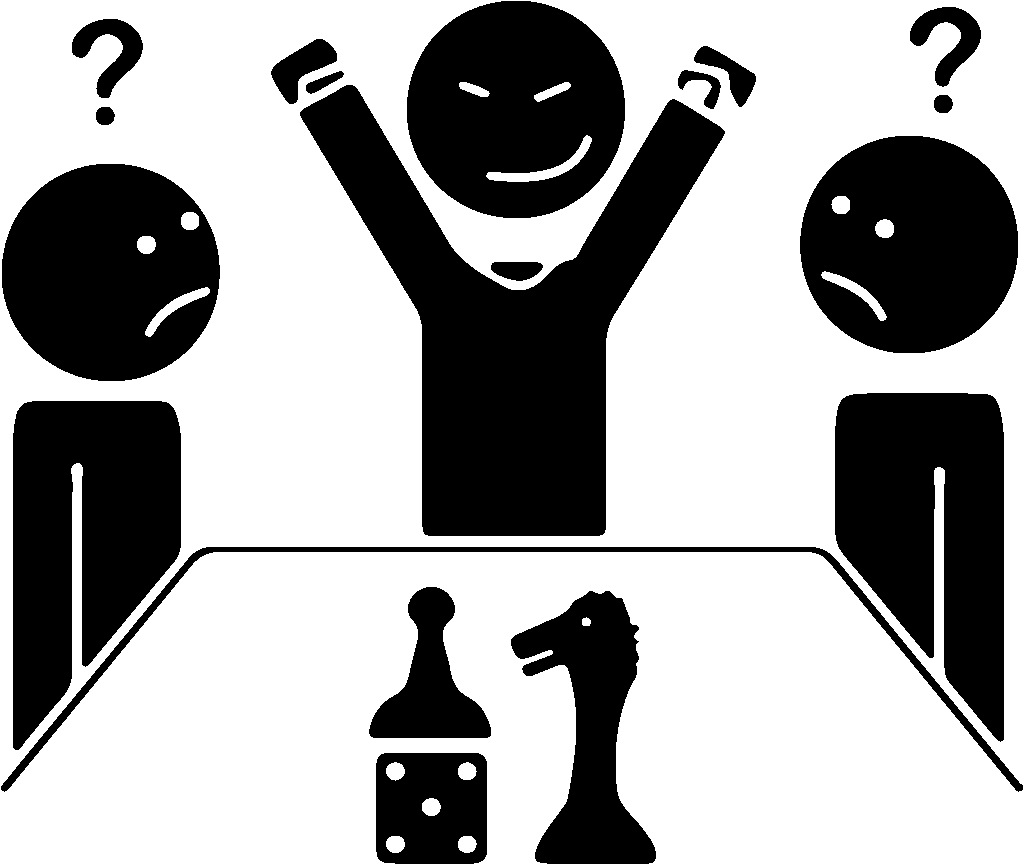
Idlers follow the rules but not the goals;
Cheaters follow the goals but not the rules;
Players follow both the rules and the goals;
Spoilsports follow neither the rules nor the goals.
Players embrace both the requirements of the game and of tradition;
Idlers and Cheaters embrace only what tradition requires;
Spoilsports accept neither.
“The Spoilsport is the one who shatters this magical realm, the traitor who must be cast out.”
In real life, the Cheater defeats us, the swindler robs our labor, the fraud deceives and betrays us. And in modern society, more often than not, those who gain unfair advantage are not punished but nearly rewarded. This sense of injustice leaves all who care for morality in inner disappointment. The Spoilsport, too, damages the game-world: by disregarding its rules, they oppose the very principles of play and bring the plane of existence to an end. Yet the advantage of play is that removing the Spoilsport is relatively easy, and the play-universe can continue on from where it left off—unlike in real life…
So, let’s talk a little about what constitutes a “good game”:
Thoughts on the game: